juan nutrisyon logo
Meat and Poultry

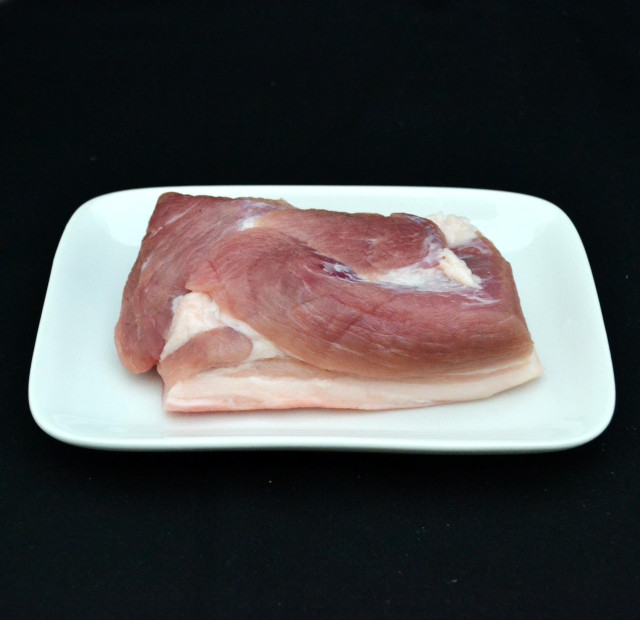
Pork picnic

Baboy kasim
PhilFCT
Macronutrients

Nutrition Facts

Serving Size: 100g
Calories 387kcal / 2530kcal (15%)

Macronutrients

Protein
13.4 g/ 71g (18%)
Total Fat
37 g/ 42g (88%)
SFA
12.24 g/ 20g (61%)
UFA
23.19 g
Total Carbs
0 g/ 348g (0%)
Fiber
0 g/ 20g (0%)
Sugar
0 g/ 63g (0%)
free

Vitamins

Vit A
0.25 mcg RAE/ 700mcg RAE (0.04%)
Vit B1
0.35 mg/ 1mg (29%)
source
Vit B2
0.16 mg/ 1mg (12%)
Vit B3
3.2 mg NE/ 16mg NE (20%)
source
Vit C
3 mg/ 70mg (4%)

Minerals

Calcium
16 mg/ 750mg (2%)
Phosphorus
112 mg/ 700mg (16%)
source
Iron
0.9 mg/ 12mg (7%)
Sodium
61 mg/ 1500mg (4%)
low
What is this food?
Pork picnic is a processed pork dish (usually pork cuts cooked and seasoned, sometimes with a bit of fat for flavor). It’s mainly a protein-rich food, and in a typical 100g serving it can be quite high in fat and sodium.
Why it matters to health
In your body, the protein helps with muscle repair and growth, especially if you’re eating 3 full meals plus 1–2 snacks a day. However, pork picnic also has high total fat (37g) and saturated fat (12.24g), plus sodium (61mg) per 100g. Keeping processed meats in your meals in reasonable portions helps support heart health and overall balance—especially if you also eat other salty or fatty viands in the same day.
Healthier tips
    • Keep your portion around 1 palm-sized serving per meal, then fill the rest of your plate with rice/healthy carbs + lots of vegetables.
    • Pair it with non-starchy veggies (e.g., pechay, kangkong, talong, repolyo) to add fiber and help you feel full.
    • If you’re having pork picnic for lunch or dinner, consider choosing lighter sides (less creamy sauces, less fried sides) to balance the day’s fat.
    • Watch frequency: enjoy it sometimes, not every day, especially if you’re also eating other processed or salty foods.
    • For snacks, choose fruit, yogurt, or nuts instead of more salty/processed items.
Common Filipino dishes
Pork picnic, Pork asado, Tocino, Longganisa, Hamonado, Afritadang baboy
Images
Food
Disclaimer
Juan Nutrisyon provides educational nutrition information to help users better understand the foods they eat. Nutrient values are sourced from reputable databases including the Philippine Food Composition Tables (FCT) and USDA FoodData Central. Calculation methods for estimating nutrients across multiple foods have been reviewed by a licensed dietitian. The information provided is not intended to diagnose, treat, cure, or prevent any disease. While every effort is made to ensure accuracy, Juan Nutrisyon has not yet undergone formal clinical validation studies and should not replace personalized medical advice from a qualified healthcare professional.
Juan Nutrisyon is an independent project built to make nutrition information more accessible to Filipinos. Built by Wern Ancheta.
Learn more about the project.
If you find it helpful, you can support its continued development.
Support Juan Nutrisyon